LS2 Intersection Bioinformatics
What is bioinformatics?
Bioinformatics develops and applies computational methods to solve biological questions. Bioinformatics is a transversal discipline in that nearly all areas of Life Science have a bioinformatic component. In each of these domains of application, Bioinformatics accelerate progress through quantitative, integrative, and scalable methods. Conversely, Bioinformatics benefits from the "reality check" and new problems that arise in each domain.
What is SIB?
The SIB Swiss Institute of Bioinformatics is an internationally recognized non-profit organization, dedicated to biological and biomedical data science. Its data scientists are passionate about creating knowledge and solving complex questions in many fields, from biodiversity and evolution to medicine. They provide essential databases and software platforms as well as bioinformatics expertise and services to academic, clinical, and industry groups. SIB federates the Swiss bioinformatics community of some 800 scientists, encouraging collaboration and knowledge sharing. The institute contributes to keeping Switzerland at the forefront of innovation by fostering progress in biological research and enhancing health.
Why this intersection?
The intersection was founded in June 2019, together with SIB Swiss Institute of Bioinformatics, materializing the fact that bioinformatics and life sciences feed from each other. Through activities determined by its board, this intersection aims to 1) create additional bridges between the two disciplines, 2) foster collaborations between SIB Members and LS2 Members, and 3) accelerate the development of methods and tools supporting the latest experimental developments.
The Bioinformatics Intersection welcomes any LS2 member willing to discover more about bioinformatics and participate in common activities.
Intersection Board
Katja Bärenfaller
SIB Group Leader, Head Molecular Allergology Group, Swiss Institute of Allergy and Asthma Research, SIAF
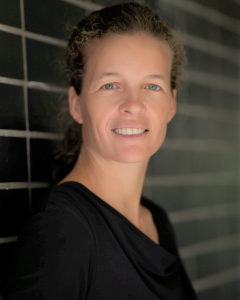
Carlos-Andrés Peña-Reyes
SIB Group Leader, Computational Intelligence for Computational Biology, HEIG-VD
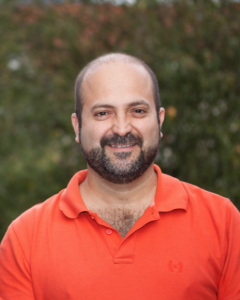
Paulina Pacak
Deputy Head of Computational Chemistry, RDP Pharma AG
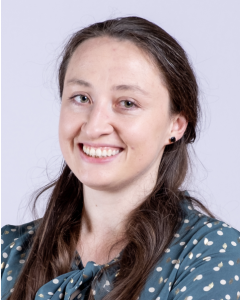
Zsolt Balázs
Senior Researcher, University of Zurich
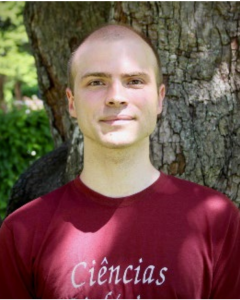
Cheng Li
Postdoctoral Researcher, University of Zurich

How to join the LS2 Bioinformatics intersection?
Existing LS2 members can log in at www.ls2.ch, click on "Change the LS2 Sections you are in" and change to/add the new intersection "Bioinformatics".
New members can apply for the LS2 membership here and select "Intersection Bioinformatics" in the online application form.
When joining the Bioinformatics intersection, members agree that their personal data entered in the membership application form on the LS2 website will be shared between LS2 and SIB for purposes of newsletters, targeted announcements, and membership statistics. On that basis, LS2 shall send to SIB the up-to-date list of Bioinformatics intersection members on a monthly basis. This statement has been laid out in LS2 Terms & Conditions.
News and Events:
Our Symposium at the Annual Meeting 2027!
AI-enabled Exploration of Biological Interactions and Networks
How can artificial intelligence help us understand and manipulate the complex networks of biological interactions? This symposium will explore how AI and computational approaches are opening new possibilities in the study and design of biological systems. Martin Pačesa will present BindCraft, an open-source computational pipeline for the de novo design of protein binders, demonstrating how deep learning can accelerate the development of new therapeutics, diagnostics and bioprocessing applications.
Join us on 10 February 2027, starting from 14:30
CAS in Personalized Molecular Oncology
Registration is open for the CAS in Personalized Molecular Oncology (PMO), starting in November 2026. This interdisciplinary programme (10 ECTS + CME, in English) covers tumor biology, molecular pathology, clinical bioinformatics, and oncology, addressing key challenges in genomic medicine. It is designed for professionals in precision medicine and jointly organized by SIB, the University of Basel, Basel University Hospital, and CHUV.
The whole Program lasts for 10-12 months (incl.mini-thesis). Modules take place alternately in Lausanne and Basel , and consist of 4 days of presential teaching, over two Friday-Saturday sessions.
Participants interested in joining single modules of the CAS are welcome to apply by sending an email with their CV to cas-pmo@unibas.ch (latest 3 weeks before the start of the module of interest).
Applications for the CAS session 2026-2027 are now open and will close on September 30, 2026.
Discover the new SIB Profile 2026
Explore SIB’s latest activity report showcasing contributions to life-science research, innovation, and data science in Switzerland and beyond. The report highlights advances in areas such as environmental sustainability and the next generation of cancer care, alongside SIB’s role in supporting scientific excellence and national competitiveness through bioinformatics expertise.
Have a look at the recently released SIB YouTube video on "The benefits of bioinformatics to science and society”!
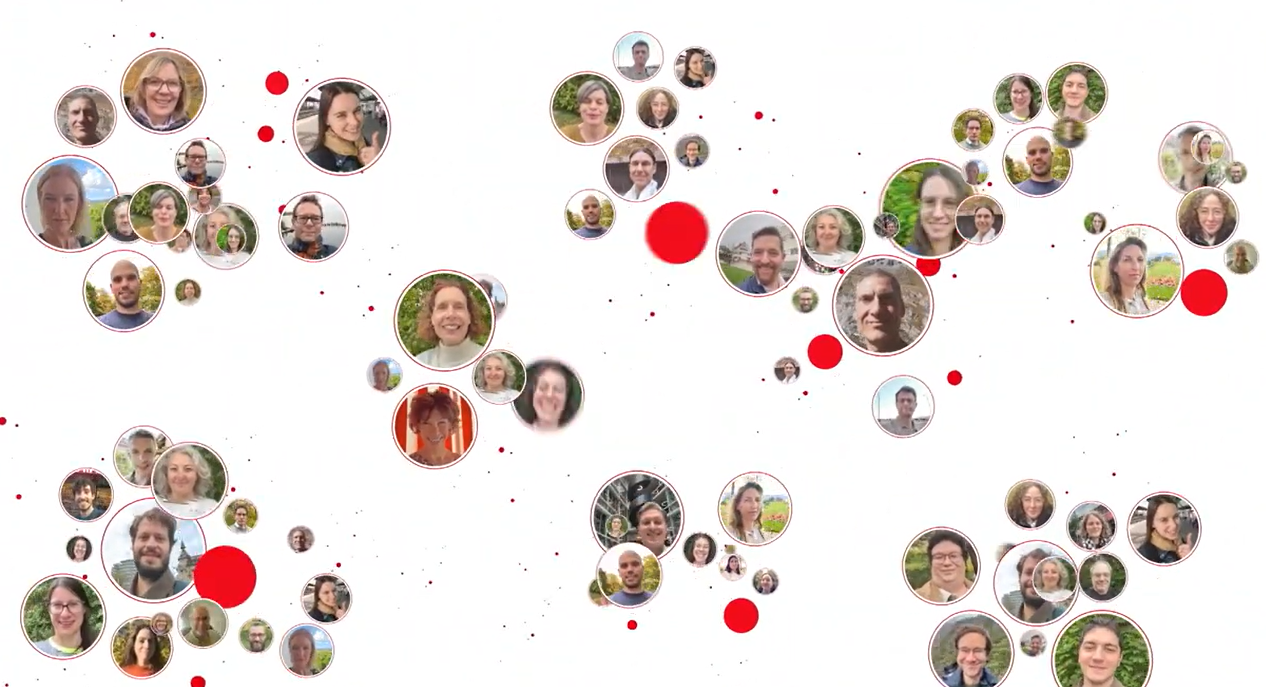
Discover databases and software tools provided by SIB Groups to the global life science community. Find out more here.
Benefit from the SIB courses to hone your bioinformatics skills. Discover the latest advances in computational biology to explore biological data, from single-cell molecular insights to vaccine development and real-time pathogen tracking.
Expasy (https://www.expasy.org/), the bioinformatics resource portal of the SIB Swiss Institute of Bioinformatics, connects the 160+ bioinformatics databases and software developed by SIB Groups and supporting research in proteomics, genomics, structural biology, evolution, systems biology, text mining.

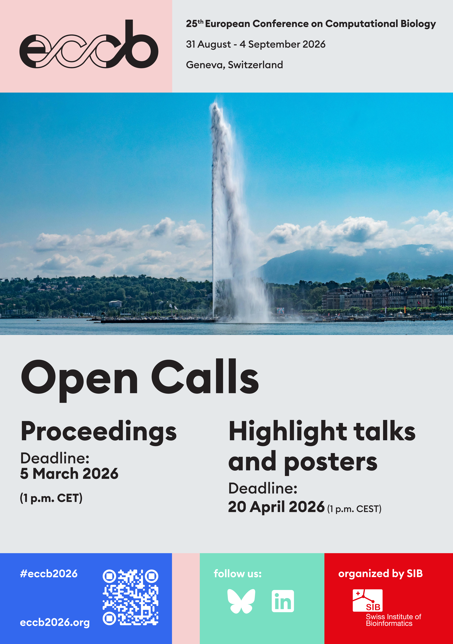
The 25th European Conference on Computational Biology (ECCB 2026) will bring more than 1,000 experts to Geneva to discuss advances in AI, biodiversity, health, FAIR data, and digital twins. Organized by SIB, the conference is part of #GenevaLovesData, a broader public programme highlighting the societal impact of life-science data and bioinformatics, and reinforcing Geneva’s role as a hub for trusted data and international collaboration.
Register by June 30 to benefit from early bird fees. Registration closes on August 14.
OMICS+ Day 2026 took place on 19 June at the University of Bern, bringing together researchers, core facilities, and students around Open Research Data (ORD) and FAIR principles in the life sciences. Organized by the SIB Group Interfaculty Bioinformatics Unit (IBU) in cooperation with the University of Fribourg, the programme includes keynote talks, career discussions, student presentations, a poster session, and networking opportunities.
Organized by the SIB Group Interfaculty Bioinformatics Unit (IBU), this four-day summer school at the University of Bern (15–18 June 2026) introduced life scientists to the practical use of machine learning in biology. The programme combined lectures on core ML concepts with hands-on coding sessions using biological datasets, alongside a mini-symposium on current biomedical applications. It was aimed at PhD students, postdocs, and scientific staff.
Join us this June for the Biodiversity Bioinformatics Summer School 2026, an intensive, hands-on training organized by the SIB Swiss Institute of Bioinformatics and partners. Taking place from 21–26 June 2026 in Siegen, Germany, the programme explores how cutting-edge bioinformatics and omics technologies are transforming biodiversity research, from environmental DNA to ecosystem-level analyses.
The summer school features a collaborative, hackathon-style format with extensive hands-on group work guided by expert trainers. Participants will work in small teams on topics such as pangenomes and genetic diversity, essential biodiversity variables, comparative genomics, and multi-scale biodiversity analysis, fostering deep engagement and interdisciplinary exchange.
In addition to project work, the programme includes lectures and social activities that encourage networking and community building among peers and experts. Accommodation and meals are included in the registration fee (900 CHF for academics), enabling participants to focus fully on learning, collaboration, and building lasting professional connections.
Applications are open until 16 March and require a short survey and motivation letter. This summer school offers a unique opportunity to expand your bioinformatics expertise while connecting with an international community dedicated to addressing urgent biodiversity challenges.
Our Symposium at LS2 Annual Meeting 2026 will be chaired by Katja Baerenfaller (SIAF and University of Zurich) and Claudia Lang (University Hospital Zurich): “Bioinformatics Driving the One Health Concept”
Speaker: Emma Hodcroft (Swiss TPH & University of Basel): "Pathoplexus: building a new kind of pathogen database"
Register by 11.01.2026.
The Meeting will take place on 11 & 12 February 2026 at Campus Irchel of the University of Zurich.